In this article
A road can look perfect on opening day and start failing within a year. In most cases the cause is not the surface you see, but the layers and drainage you don't. Here is what decides whether a road lasts.
Roads Fail From the Bottom Up
Every road sits on a subgrade — the natural ground, prepared and compacted. If the subgrade is weak or poorly compacted, the layers above will crack and deform under traffic, no matter how good the surface is.
Drainage Is Non-Negotiable
Water entering the pavement layers rapidly reduces their strength. Side ditches, correctly sized culverts and the right road camber keep water away. On many roads, good drainage does more for durability than a thicker surface.
Test Every Layer
Before each layer is approved, it should be tested for density, material gradation and bearing strength (CBR). These tests are quick and inexpensive compared to the cost of rebuilding a failed road.
Choose the Right Surface
| Surface | Best for | Notes |
|---|---|---|
| Gravel | Low-traffic rural and access roads | Lowest cost; needs regular grading |
| Cobblestone | Urban streets, local employment | Durable, labour-intensive, easy to repair |
| Surface treatment | Moderate traffic | Seals the base at lower cost than asphalt |
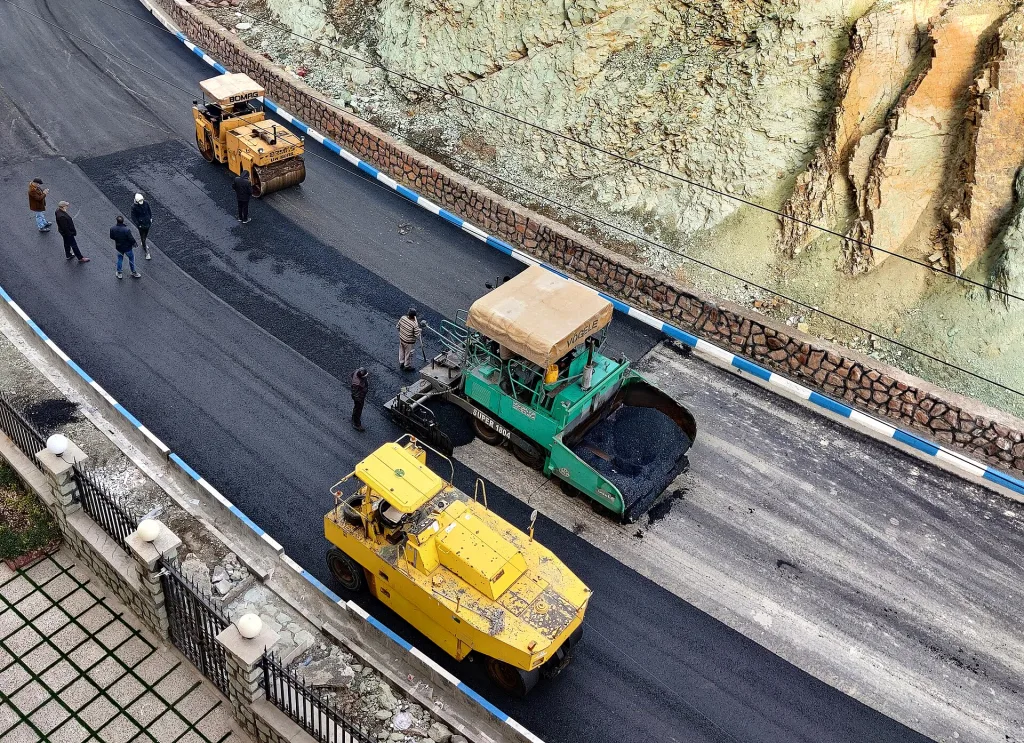
| Asphalt concrete | Higher traffic, main roads | Smooth and strong; highest initial cost |
Plan for Maintenance
Routine maintenance — clearing drains, sealing cracks, patching potholes early — can multiply the life of a road for a fraction of the cost of reconstruction.
Questions to Ask Your Contractor
How will you prepare the subgrade? Which tests will you run on each layer? How will water be drained? What maintenance do you recommend?
Eng. Dawit Bekele, Technical Manager
Civil engineer with 15 years of building and road construction experience across Ethiopia.